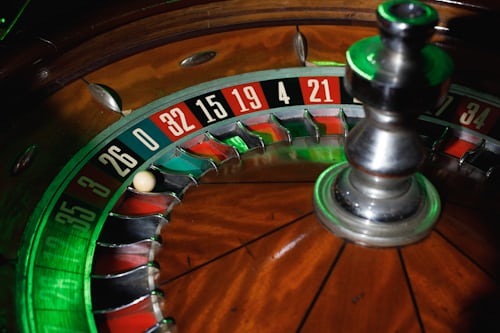
The Role of Luck in Gambling
Luck is a pivotal element in the world of gambling, where fortunes can be made or lost in an instant. Many players enter casinos believing that their lucky numbers or rituals can influence outcomes, and they often explore options like the betticasino online official website for a chance to test their theories. This belief, often referred to as the “gambler’s fallacy,” suggests that past results can sway future successes. In reality, games of chance, such as slots or roulette, depend predominantly on random number generators, where luck reigns supreme in determining the winner.

Furthermore, the perception of luck extends beyond mere chance; it also intertwines with the psychology of gambling. Players often attribute their winnings to good fortune while blaming losses on bad luck. This mental framework can significantly influence behavior, leading players to invest more time and money in hopes of a lucky break. Such a mindset can create a captivating cycle where the excitement of potential wins fuels more gambling, despite the odds often being against them.
Moreover, the social aspect of gambling can amplify perceived luck. Celebrating wins together or experiencing losses alongside fellow players can alter one’s perception of luck. Casinos design environments that enhance this feeling of camaraderie, which can lead individuals to feel luckier when they are surrounded by others enjoying the same thrill. Overall, while luck is an intangible, unpredictable force, its impact on the casino experience cannot be understated.
The Psychology of Luck and Risk
The concept of luck is closely tied to risk-taking behavior, especially in high-stakes environments like casinos. Many individuals seek out the thrill of uncertain outcomes, driven by the hope that their lucky streak will continue. This risk-taking behavior can often lead to greater financial investment in games, as players chase the excitement that comes with potential wins. Understanding the psychological motivations behind risk can shed light on why people are drawn to gambling.
Additionally, cognitive biases play a significant role in how players view luck. For example, confirmation bias can lead gamblers to remember their victories while overlooking their defeats. This selective memory creates an illusion of skill or luck mastery, often resulting in continued engagement in games, despite a lack of favorable outcomes in the long run. Players may believe they can “beat the system” when, in fact, the odds remain heavily in favor of the house.
Moreover, the thrill of taking risks and experiencing both wins and losses can create an addictive loop. The brain’s reward centers respond to the dopamine released during wins, reinforcing the desire to gamble again. This cycle can render the concept of luck a double-edged sword; while initial enjoyment and excitement draw individuals in, it can lead to detrimental consequences if not managed responsibly. Recognizing these psychological factors is vital for understanding how luck influences gambling behavior.
Cultural Perspectives on Luck in Gambling
Different cultures have varying beliefs about luck that significantly impact gambling practices. In some cultures, specific symbols or rituals are thought to bring good fortune, influencing player behavior in casinos. For instance, in many Asian cultures, the number eight is considered lucky, leading players to seek out games that involve this number. These cultural beliefs surrounding luck shape how individuals approach gambling and can even dictate strategies for play.
Furthermore, luck is often personified in cultural narratives, where certain traditions or figures are revered for their ability to bestow good fortune. This can be seen in the use of talismans or lucky charms that gamblers carry with them. These items serve not just as symbols of hope but also as physical reminders of personal luck. Engaging in such practices can create a mental state in which players feel more empowered, which can add an exciting dimension to their gaming experience.
Moreover, casinos often capitalize on these cultural beliefs to create themed games and environments that resonate with players’ perceptions of luck. By understanding and integrating cultural symbols of luck into their designs, casinos enhance the immersive experience, making players feel more connected to the games. This deep-rooted interplay between culture, luck, and gambling highlights how diverse perspectives shape individual and collective approaches to risk-taking in gambling environments.
The Impact of Luck on Gambling Ethics
Luck plays a critical role in the ethical considerations surrounding gambling. The reliance on random chance raises questions about fairness and accountability. When individuals lose large sums of money, they often attribute their losses to bad luck rather than any failure of practice or knowledge. This mindset can complicate discussions about responsible gambling and the ethical responsibilities of casinos to their patrons. Many advocates argue that it’s essential for casinos to provide educational resources on the nature of chance and risk.
Additionally, the notion that luck can change one’s fate in a casino environment brings about complex ethical dilemmas. For example, while advertising campaigns may focus on stories of big wins to attract players, they frequently omit the more typical outcomes of loss and disappointment. This disparity can lead to misguided expectations from players who may believe their luck can lead to financial freedom, resulting in potential gambling addiction and financial hardship.
Moreover, casinos must navigate the fine line between entertainment and exploitation. The thrill of chance is undoubtedly part of the appeal for many, but operators have a responsibility to ensure their games are conducted fairly and transparently. Understanding the impact of luck on player behavior can help casinos design better policies that prioritize responsible gaming and protect players from the risks associated with excessive gambling.
Exploring Luck and Its Influence on Online Gambling
The rise of online gambling has transformed how players perceive and interact with luck. Unlike traditional casinos, online platforms often utilize technology to create immersive gaming experiences. Players can enjoy games from the comfort of their homes, which can either heighten the thrill of luck or detach them from the immediate risks. This shift in environment changes how players view luck, as they may feel less connected to the outcomes of their bets.
Moreover, online gambling platforms frequently use promotional strategies that capitalize on players’ hopes for a lucky outcome. Bonuses, free spins, and promotional offers can entice players, reinforcing the belief that luck can be a consistent factor in their gaming experience. These marketing techniques often blur the line between skill and chance, leading players to misjudge their abilities and the likelihood of winning based on their past experiences.
Furthermore, the anonymity of online gambling can lead to riskier behaviors due to a lack of accountability. Players may be more tempted to chase their losses when they cannot see the tangible consequences of their actions, leading to adverse financial situations. As online gambling continues to grow, it is crucial for players to remain mindful of the psychological and ethical implications of luck, ensuring that they approach their gaming experiences with a balanced perspective. Ultimately, understanding this dynamic can foster a healthier relationship with gambling in an increasingly digital world.